



DIY guideAttic and insulation
Screen the vents birds nest in, or fit ember mesh
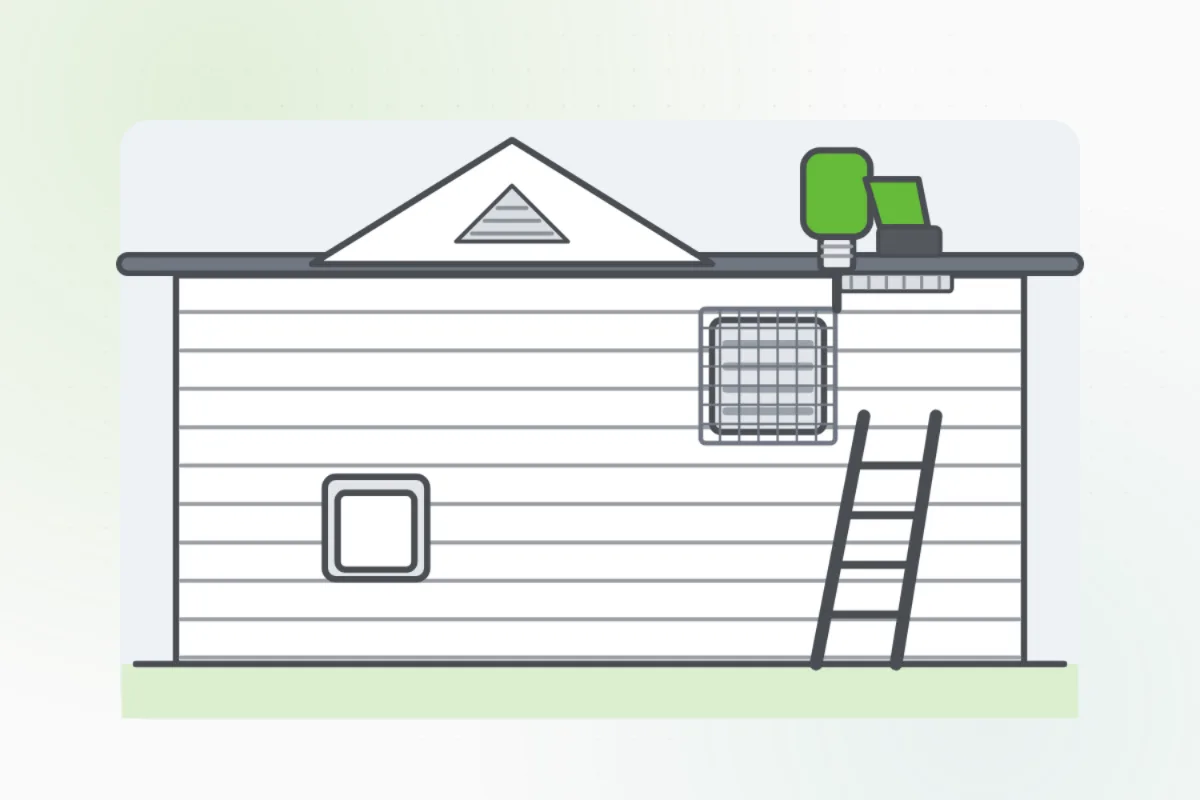
Once a nest is empty, clear it and fit a metal guard over the vents you can reach from the ground or a low ladder. Never fine mesh on a dryer vent.
- 20 to 45 min
- 8 steps
- Every step animated
8 steps
Tap a step to watch it again.
Watch for birds flying in, and look for twigs, droppings or chirping at the wall's vents and under the eaves.
If there are eggs or young, leave the nest until they've flown.
Pull the nest out of the opening and bag it.
Wear gloves and a mask: droppings carry germs. Wash up after.Make sure the vent's flap or louvers open and close freely.
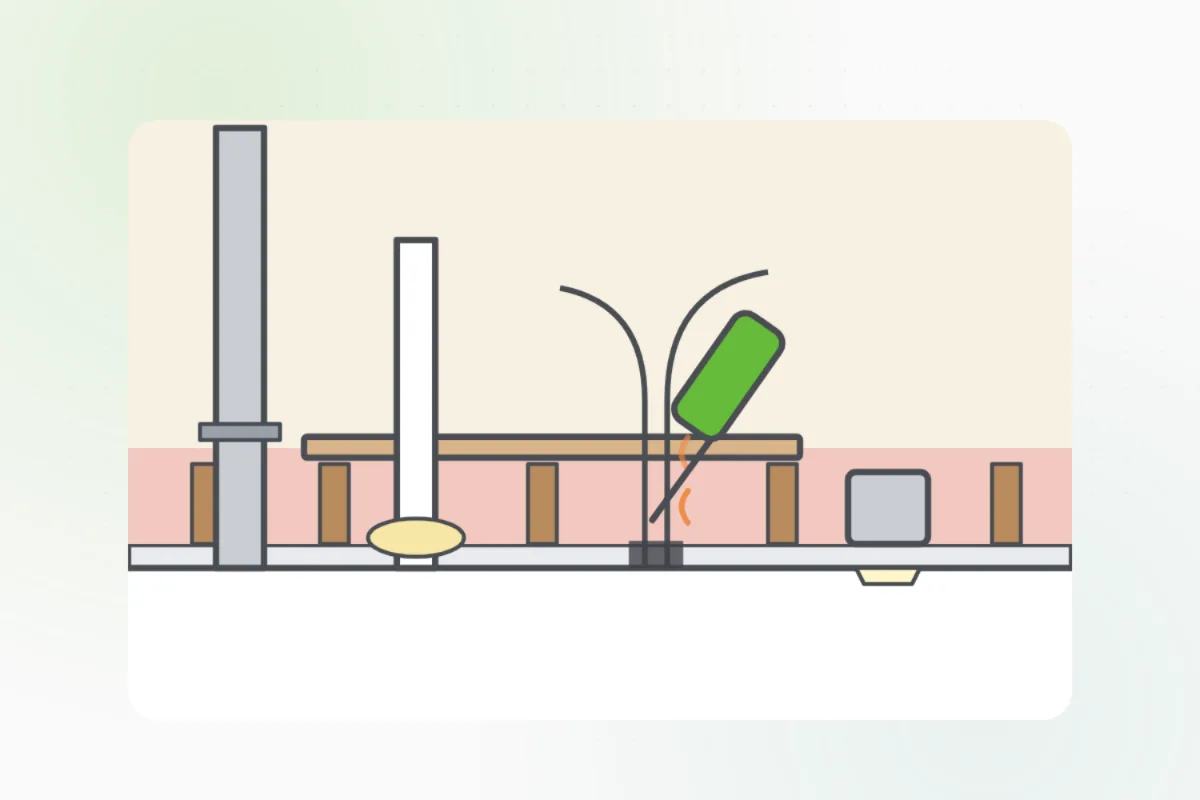
Screw a metal mesh guard made for that vent to the wall round it.
Work from the ground, or a ladder on firm, level ground at a single storey.Use a dryer vent guard with wide openings: fine mesh clogs with lint and can catch fire.
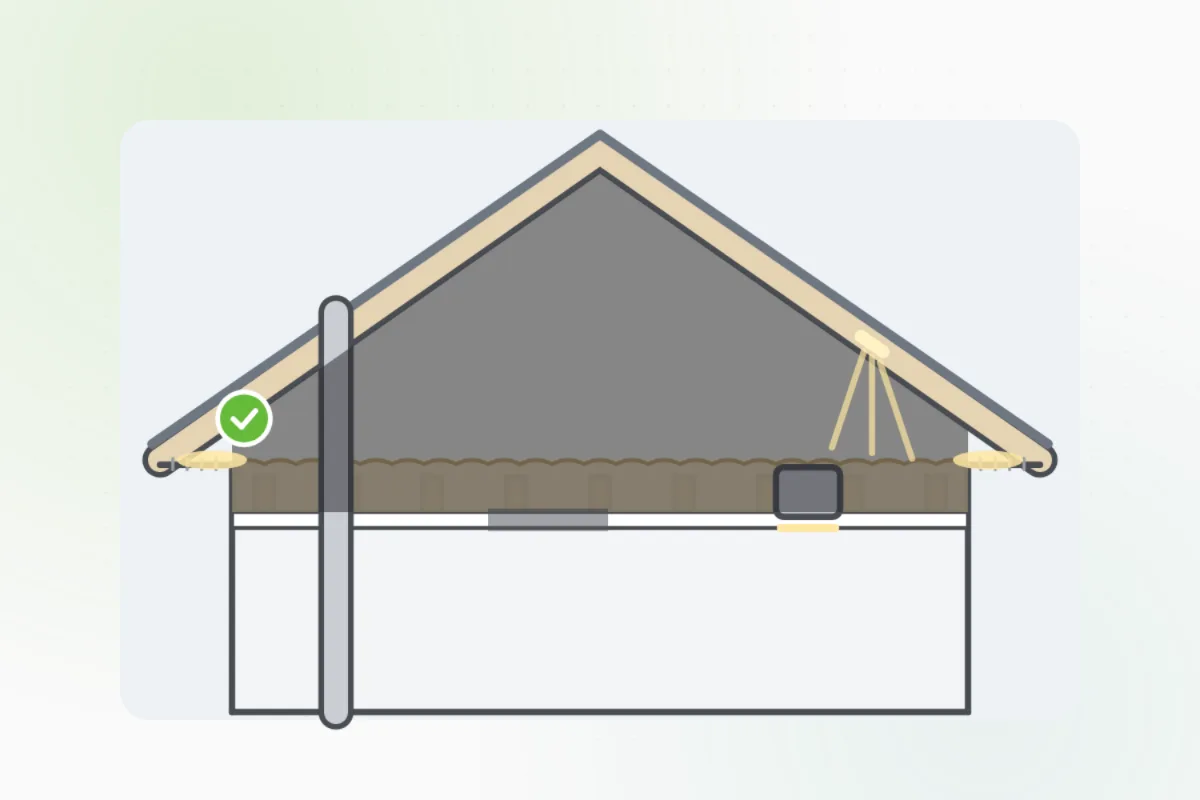
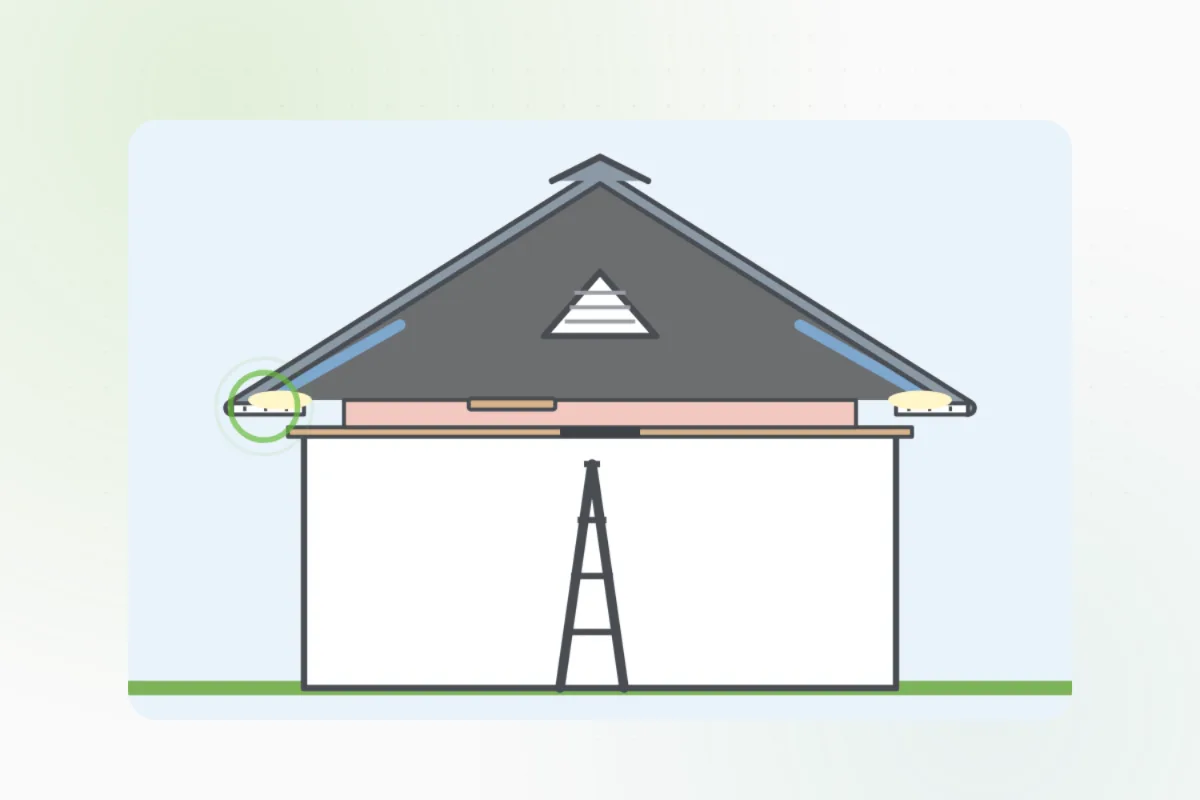
Cover the attic's gable and soffit vents with fine metal ember mesh from outside, so sparks can't blow in.
Vents above one storey, or through the roof, are a pro's job. Ask Handyman for one.
What you need
- Gloves, a mask and a bag
- Metal guards made for each vent
- A dryer vent guard with wide openings
- Fine metal ember mesh and screws, in a wildfire area
- A drill and a screwdriver
Call a pro if
- The vents are above one storey, or through the roof
- Birds or animals are nesting inside the wall or the attic
- The vent's flap is broken or the duct behind it is loose

Handyman says: Above one storey? I'll book a pro.
Free for every home. Handyman asks a few questions, then books a pro it trusts.
More heating and air guides
See all 51
Rather have
a pro do it?