



DIY guideWater pressure
Check the water pressure with a hose-bib gauge
Screw a gauge onto an outdoor tap, read it with nothing else running, and know when the pressure, or banging pipes, need a plumber.
- 10 to 15 min
- 7 steps
- Every step animated
7 steps
Tap a step to watch it again.
Make sure nothing is running: no taps, no toilet filling, and the washer, the dishwasher and any sprinklers off.
Screw a pressure gauge onto the outdoor tap nearest where the water comes in, or onto the laundry tap. Hand-tight is enough.
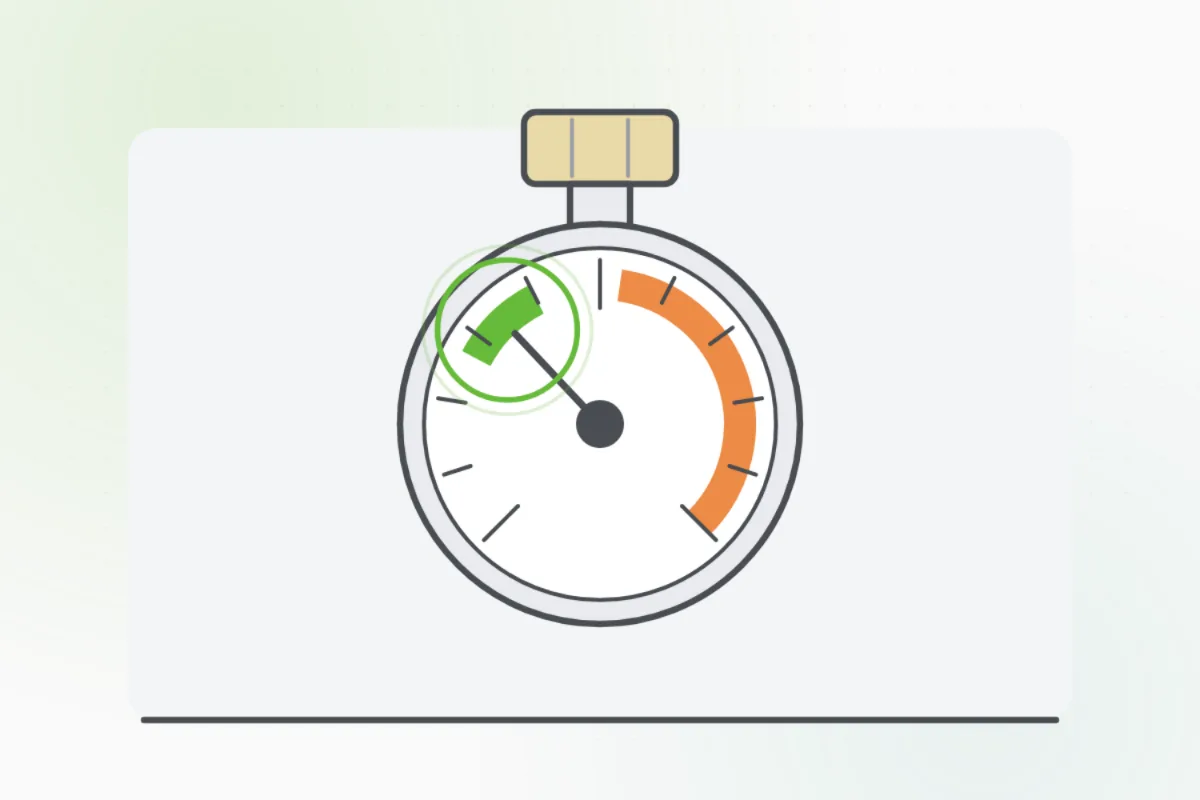
Open the tap all the way and let the needle settle.
Most homes read 40 to 60 psi (about 275 to 415 kPa). Write down what yours says.
Look on the pipe just past the main shutoff for a bell-shaped valve: the pressure-reducing valve, if you have one. Check it for drips, and leave its screw alone.
Turn a tap off quickly, or let the washer fill. A bang or a shudder in the pipes is water hammer.
Over 80 psi (550 kPa), under 40, or pipes that bang: ask Handyman for a plumber to check the pressure valve.
What you need
- A hose-bib pressure gauge, from a hardware store
- A flashlight
Call a pro if
- It reads over 80 psi (550 kPa), or under 40 (275 kPa)
- Pipes bang or shudder when a tap shuts
- The pressure valve drips

Handyman says: Bad pressure? I'll find you a plumber.
Free for every home. Handyman asks a few questions, then books a pro it trusts.
More water and plumbing guides
See all 83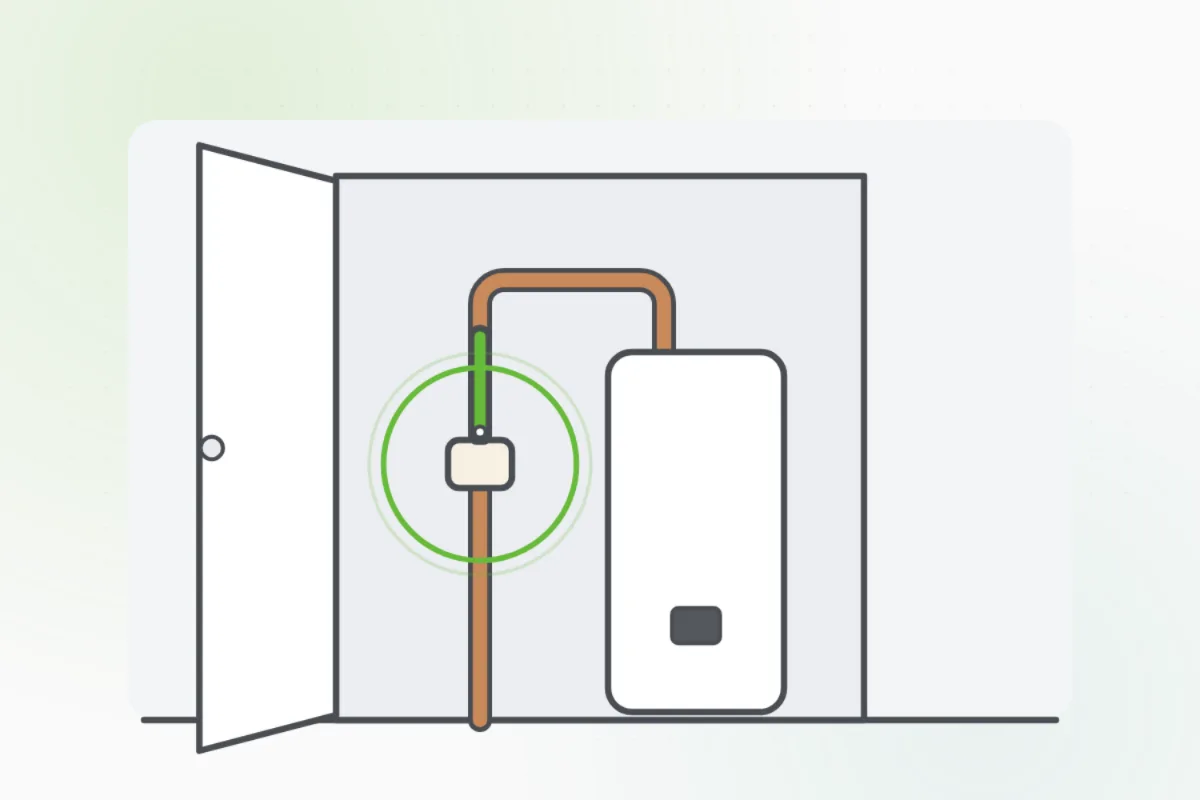
Rather have
a pro do it?