



DIY guideMice and pests
Find and seal the gaps where mice get in
Walk round the outside, find the gaps a mouse can squeeze through, and pack them with steel wool and sealant.
- 45 min to 2 hr
- 8 steps
- Every step animated

8 steps
Tap a step to watch it again.
Look along the bottom of the walls and the foundation for gaps. A mouse fits through a hole the size of a pencil.
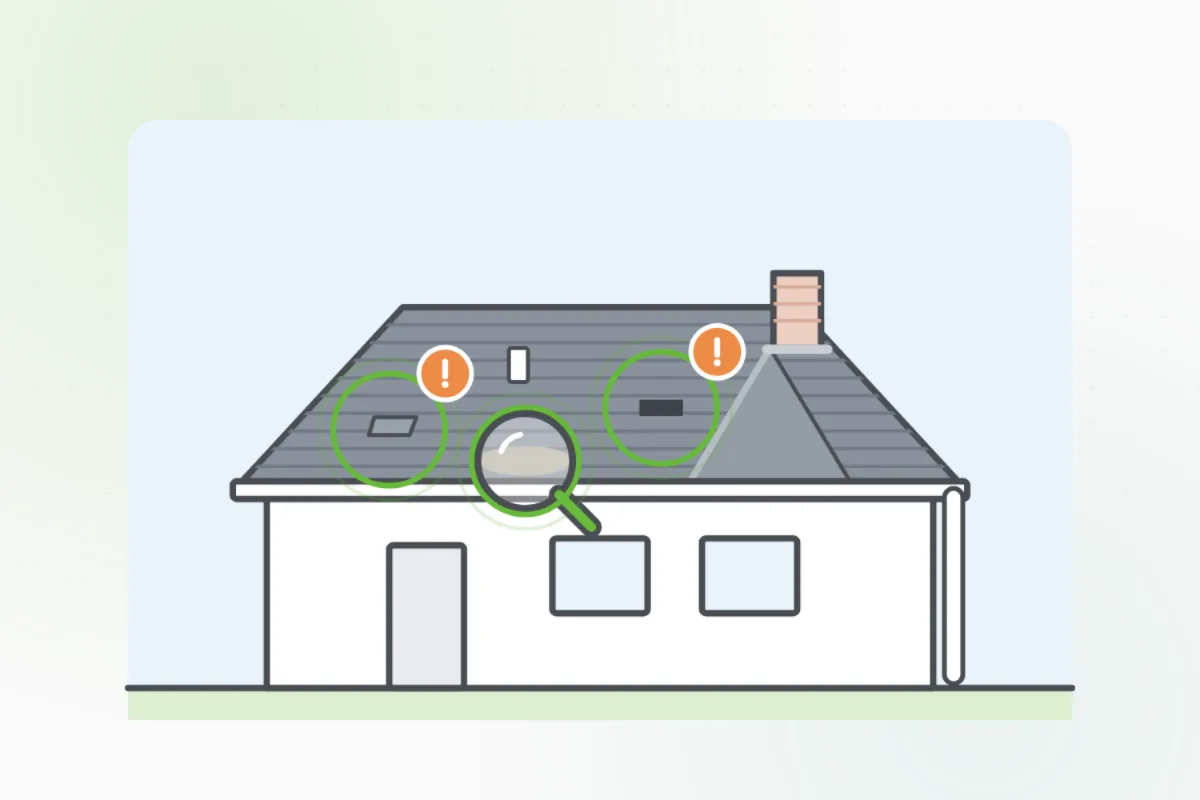
Wear gloves. Droppings? Don't sweep them up dry: spray them with disinfectant first.Look round every pipe, cable and vent, and the dryer and air conditioner lines, where they go through the wall.
Leave the gas meter's pipe and the power line's entry alone: a pro seals those.Push steel wool or copper mesh firmly into the gap, deep enough that it won't pull out.
Cover the wool with outdoor caulk or sealant foam, so it stays put and keeps the water out.
Screw metal mesh over larger holes and vents. Never seal a vent shut: it has to breathe.
Close each outside door and the garage door. Daylight under one means a new sweep or seal.
Check inside for new droppings or chewed spots, and seal any gap you missed.
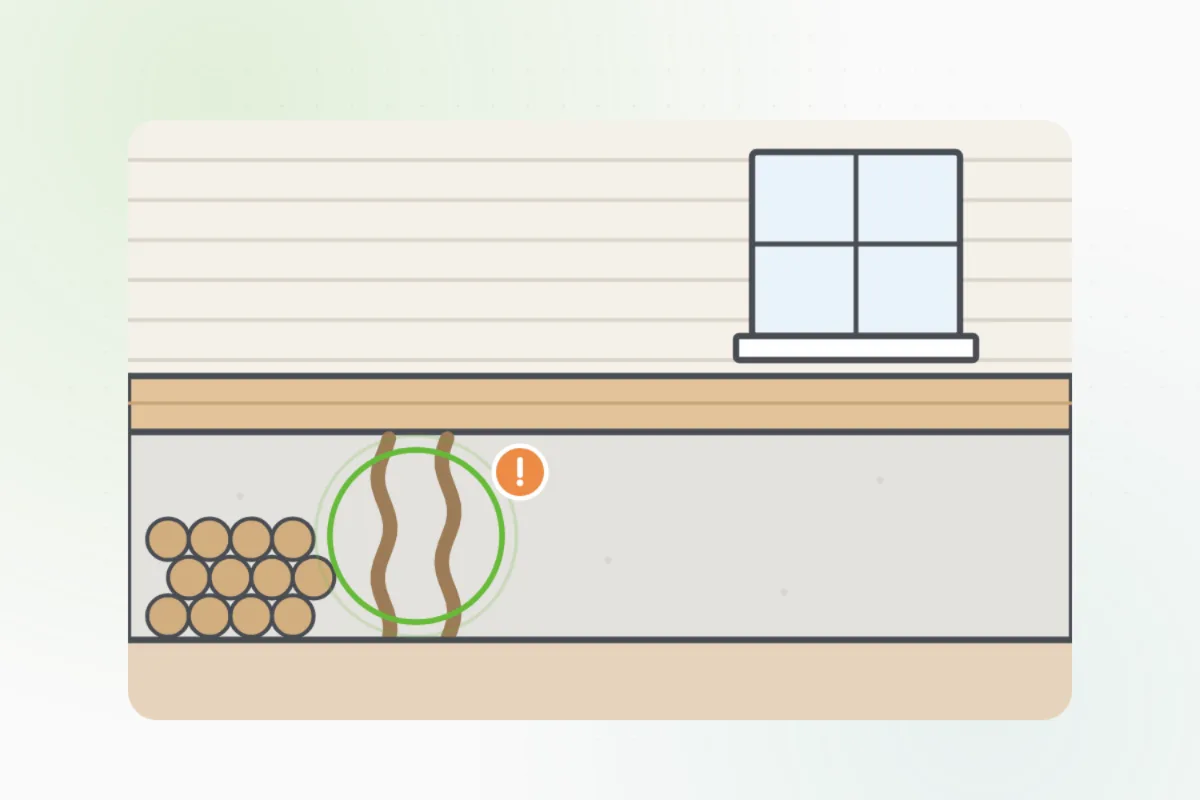
Mice still getting in, or signs of them in the attic or walls: ask Handyman for a pest control pro.
What you need
- Steel wool or copper mesh
- Outdoor caulk or sealant foam, and a caulk gun
- Metal mesh and screws
- Work gloves
- A flashlight
Call a pro if
- Mice keep getting in after you've sealed up
- Droppings or noises in the attic or walls
- A gap is up high, or where the power or gas comes in

Handyman says: Still getting in? I'll find a pest pro.
Free for every home. Handyman asks a few questions, then books a pro it trusts.
More outside and the yard guides
See all 72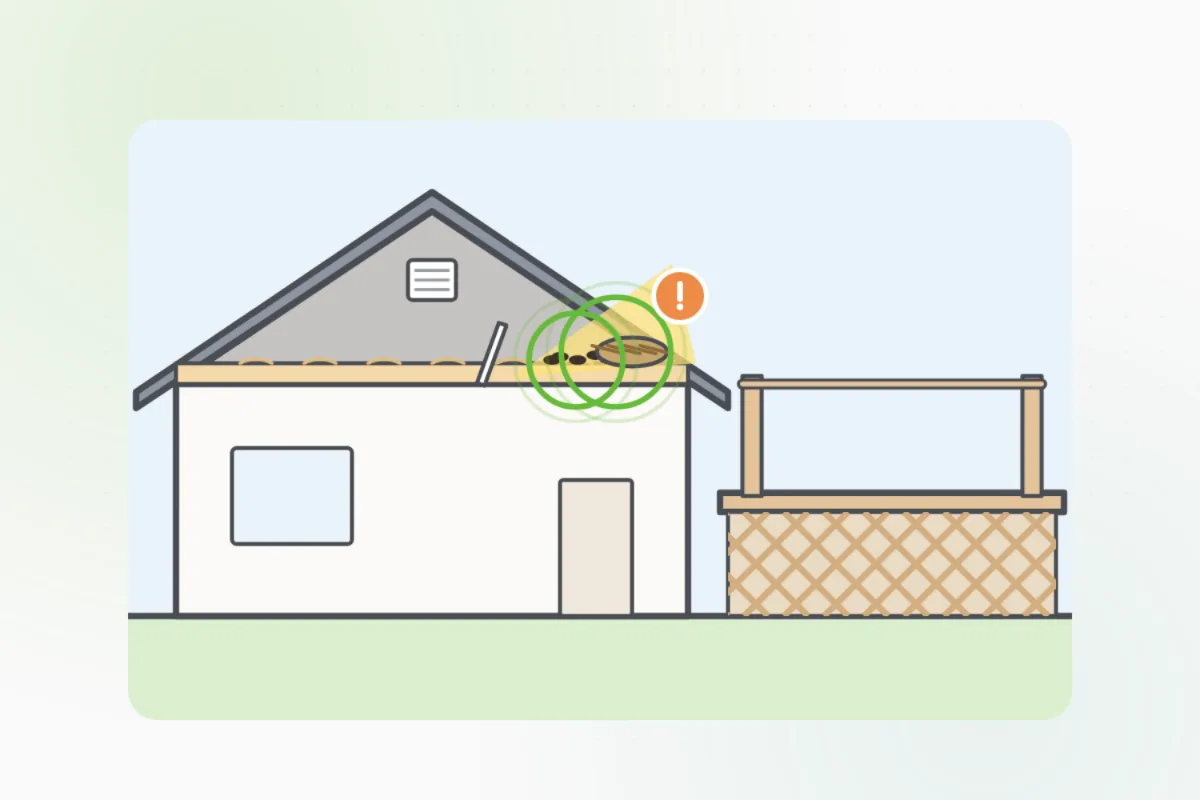
Rather have
a pro do it?