



DIY guideBasement and foundation
Seal the foundation cracks and failing parging
Fill thin, dry cracks with concrete crack filler and patch small spots of loose parging. A crack that's wide, growing or leaking is a foundation pro's.
- 1 hr to 3 hr
- 7 steps
- Every step animated
7 steps
Tap a step to watch it again.
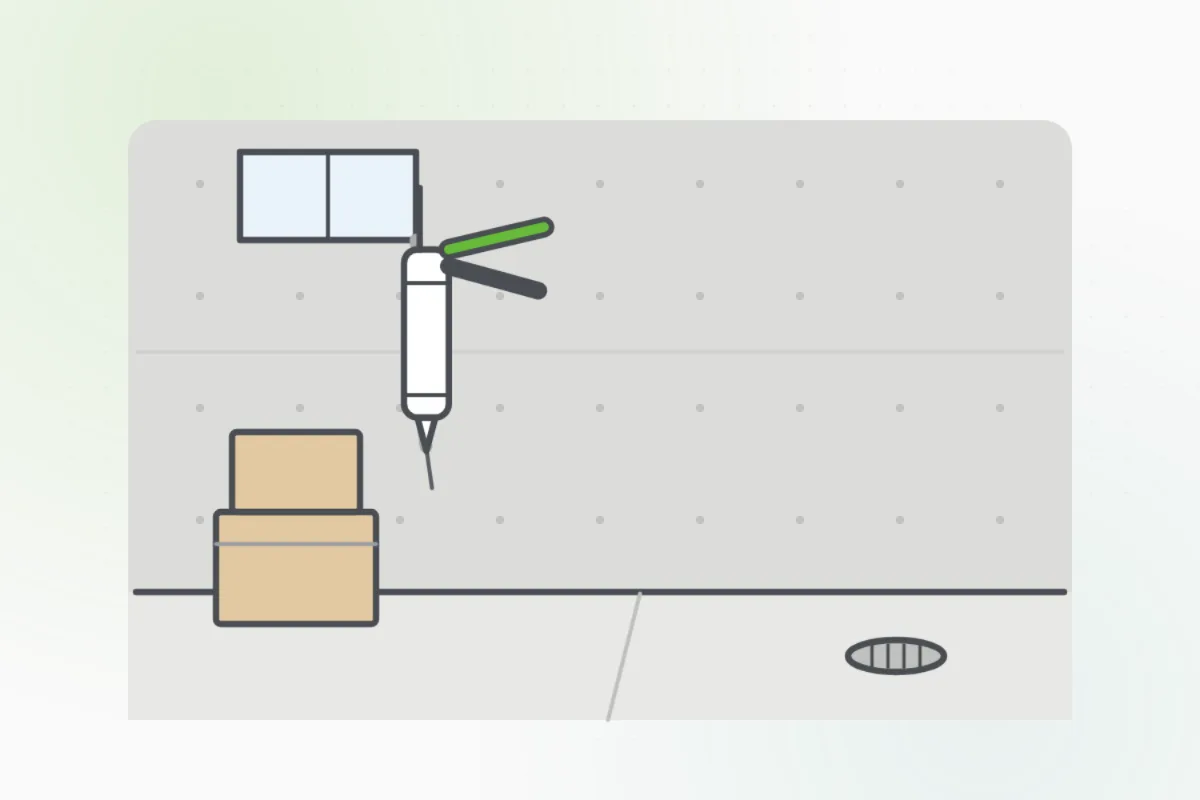
Fill only thin, dry cracks that haven't grown past their marks. Anything wider, growing or leaking goes to the last step.
Brush out loose bits and dust with a wire brush, then vacuum it. Let it dry.
Wear safety glasses and gloves.Squeeze concrete crack filler into the crack from the bottom up, pushing it in. Smooth it flush with a putty knife.
Outside, tap the parging, the thin coat on the foundation above the ground, with a hammer's handle. Chip off what sounds hollow or crumbles.
Glasses on: chips fly.Brush the dust off and mist the bare spot with water so the patch sticks.
Mix a little parging mix and press it on with a trowel, level with the coat round it. Mist it for a day or two while it cures.
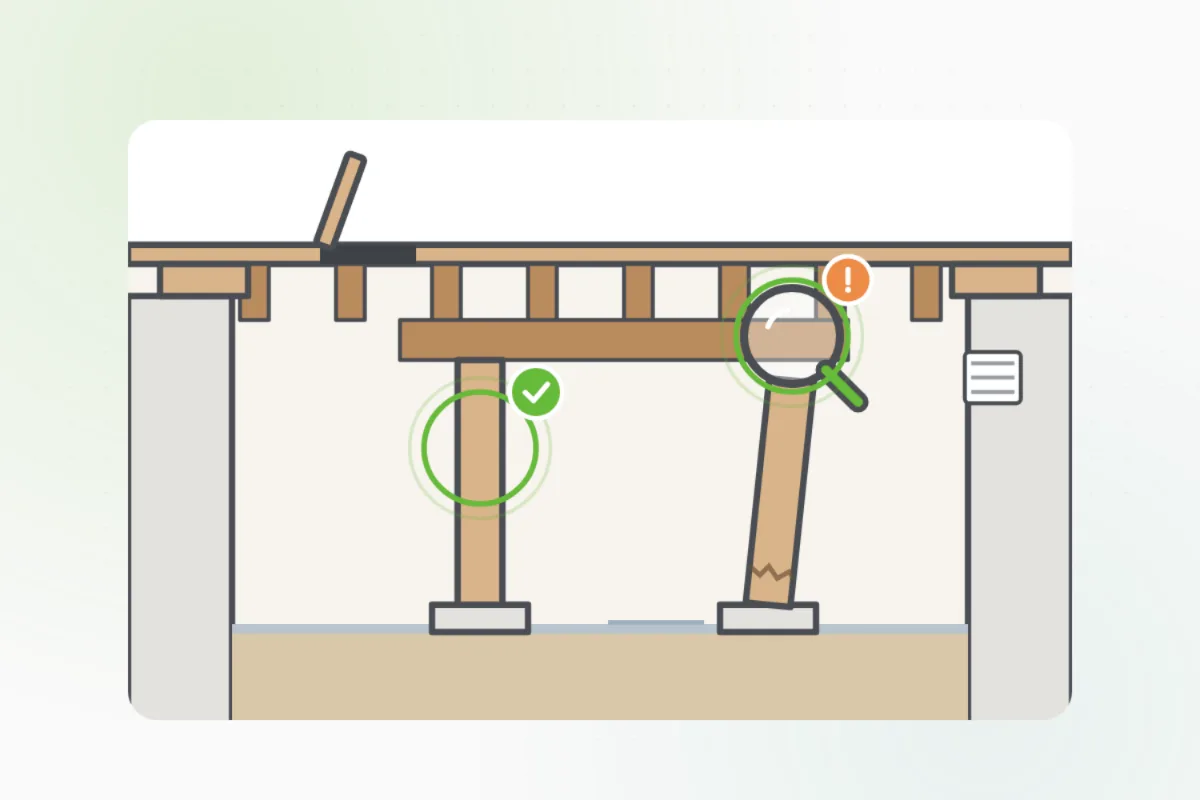
The crack is wider than a coin's edge, keeps growing, runs in steps or sideways, leaks water, or the wall bows: ask Handyman for a foundation pro. That's structural work.
What you need
- Concrete crack filler
- A wire brush and a vacuum
- A putty knife and a trowel
- Parging mix and a bucket
- Safety glasses and gloves
Call a pro if
- A crack is wide, growing or leaking
- A crack runs in steps or sideways
- A wall bows or leans

Handyman says: Wide or leaking? I'll find a pro.
Free for every home. Handyman asks a few questions, then books a pro it trusts.
More around the house guides
See all 70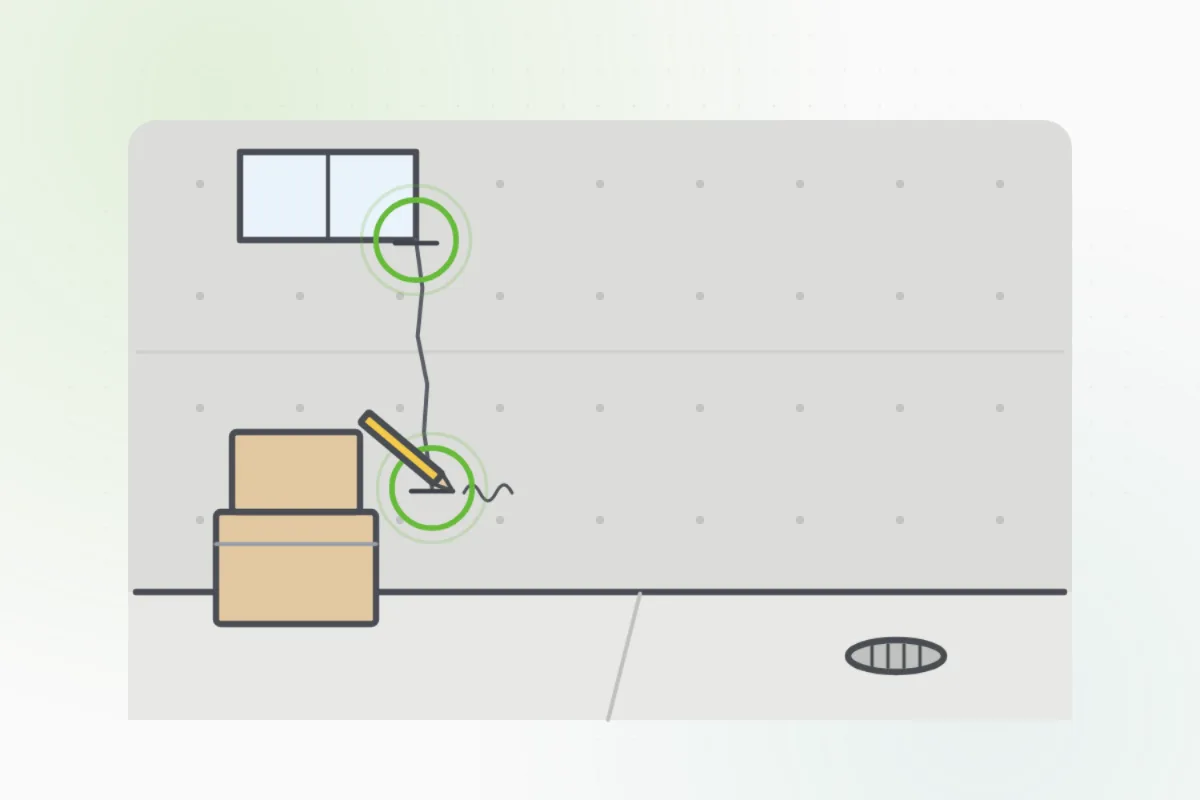


Rather have
a pro do it?