



DIY guideBasement and foundation
Check the basement for damp and signs of past water
Read the air, sniff, and look low on the walls for tide lines, white crust and stains. A square of plastic taped to the wall tells damp air from water coming through.
- 20 to 40 min
- 7 steps
- Every step animated

7 steps
Tap a step to watch it again.
Leave a humidity gauge in the basement for a day. A reading that stays high means damp air.
A musty, earthy smell is often the first sign of damp, before you see any.
Look along the bottom of the walls for tide lines, dark stains and peeling paint.
A white, chalky crust on concrete is salt left by water that came through the wall.
Look under boxes and at the feet of shelves for rust, rings and soft cardboard.
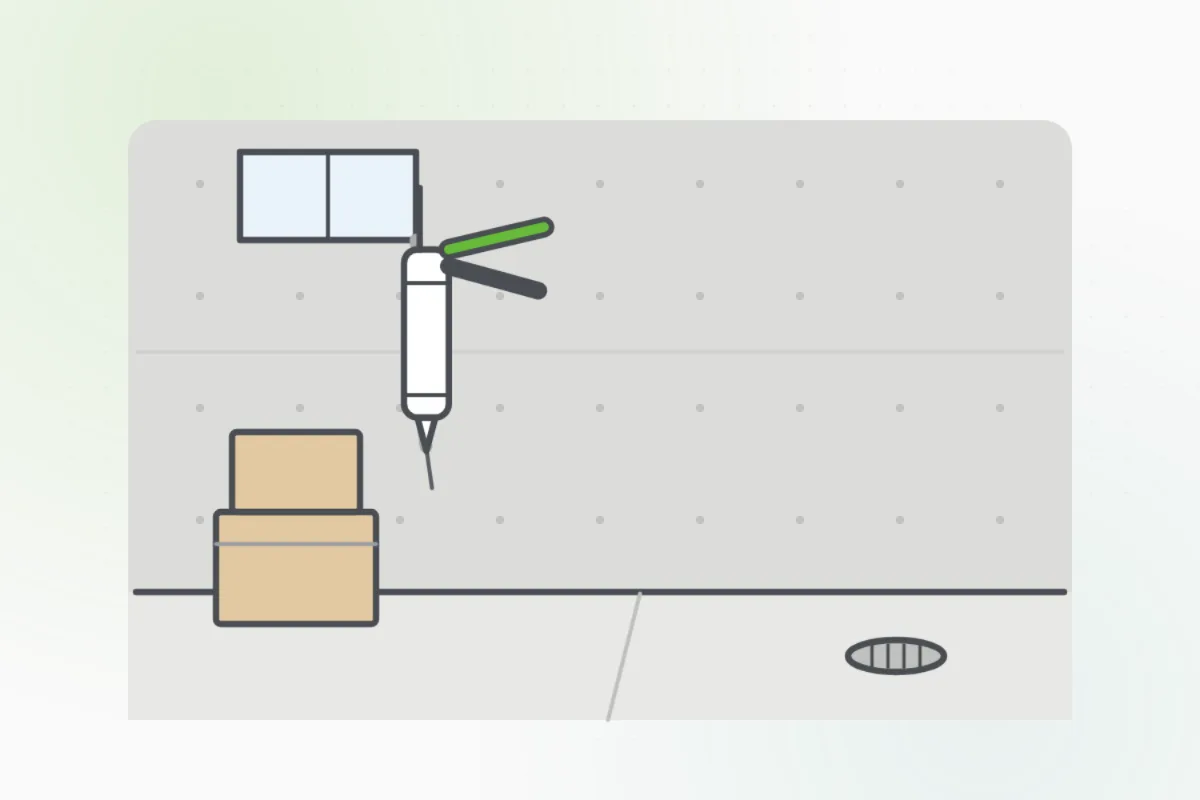
Tape a square of plastic tightly to the bare wall and leave it a day or two. Water on the room side is damp air. Water behind it is coming through the wall.
Water behind the plastic, fresh tide lines, or puddles after rain: ask Handyman for a waterproofing pro. Damp air alone: a dehumidifier helps.
What you need
- A humidity gauge (hygrometer)
- A flashlight
- A square of clear plastic and tape
Call a pro if
- Water comes through the wall or floor
- Fresh tide lines or puddles after rain
- The musty smell won't go

Handyman says: Water coming in? I'll find a pro.
Free for every home. Handyman asks a few questions, then books a pro it trusts.
More around the house guides
See all 70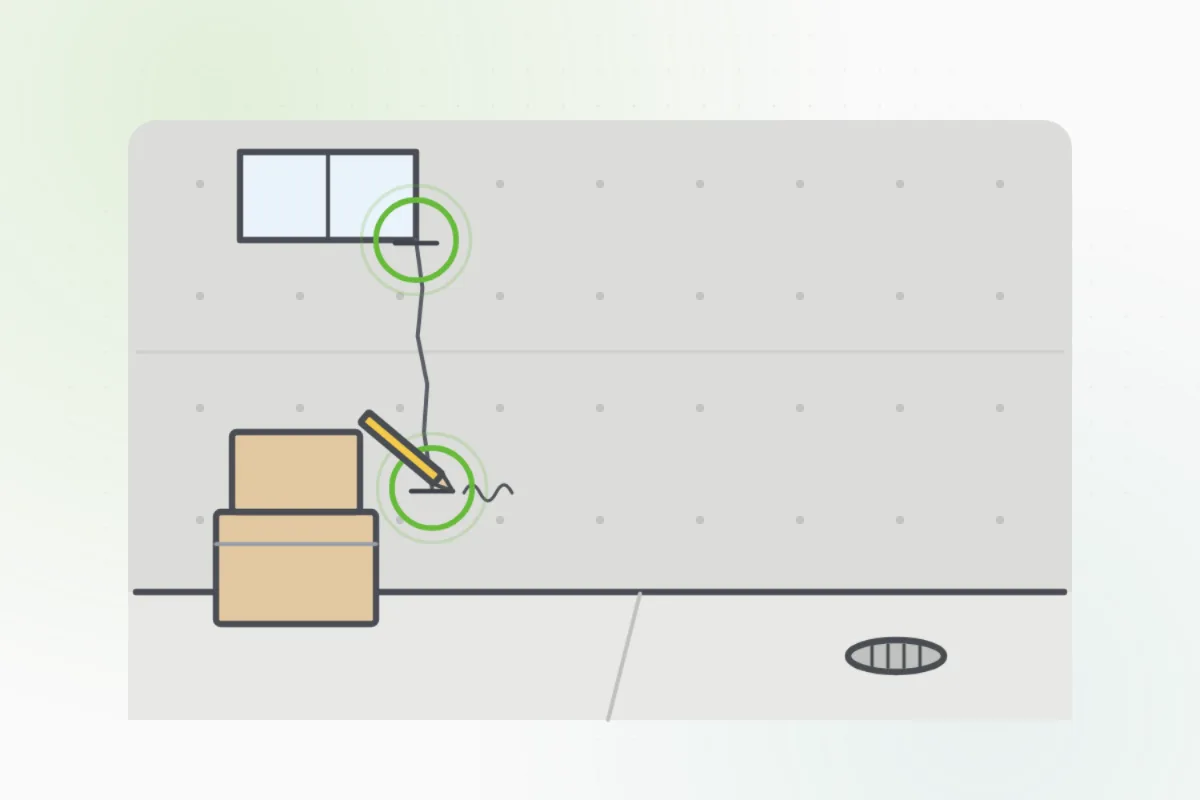

Rather have
a pro do it?