



What’s involvedShower
Service the anti-scald and shower mixing valves
What a mixing valve does, the signs it's sticking, what a plumber does to service it, and what to have ready. No hands-on steps.
- 5 parts
- Every step animated
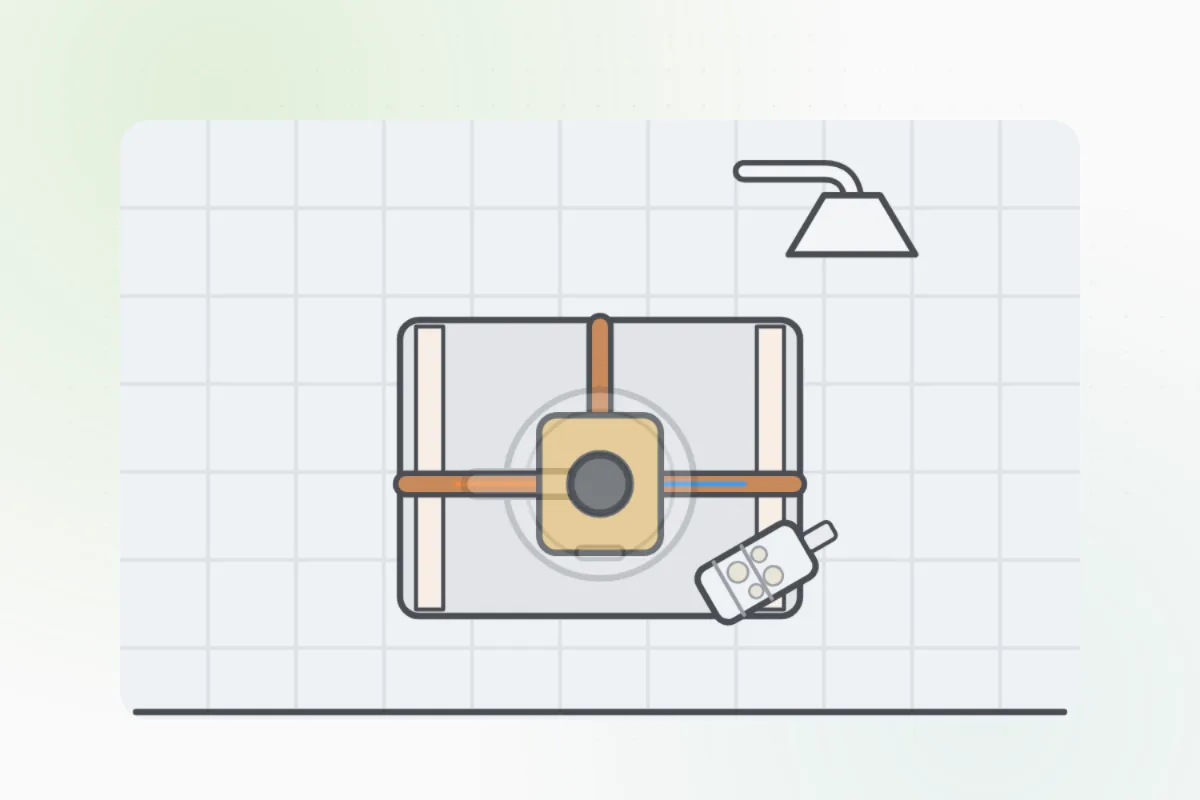
What’s involved
No hands-on steps here: what the job is, what a pro does, and what to have ready.
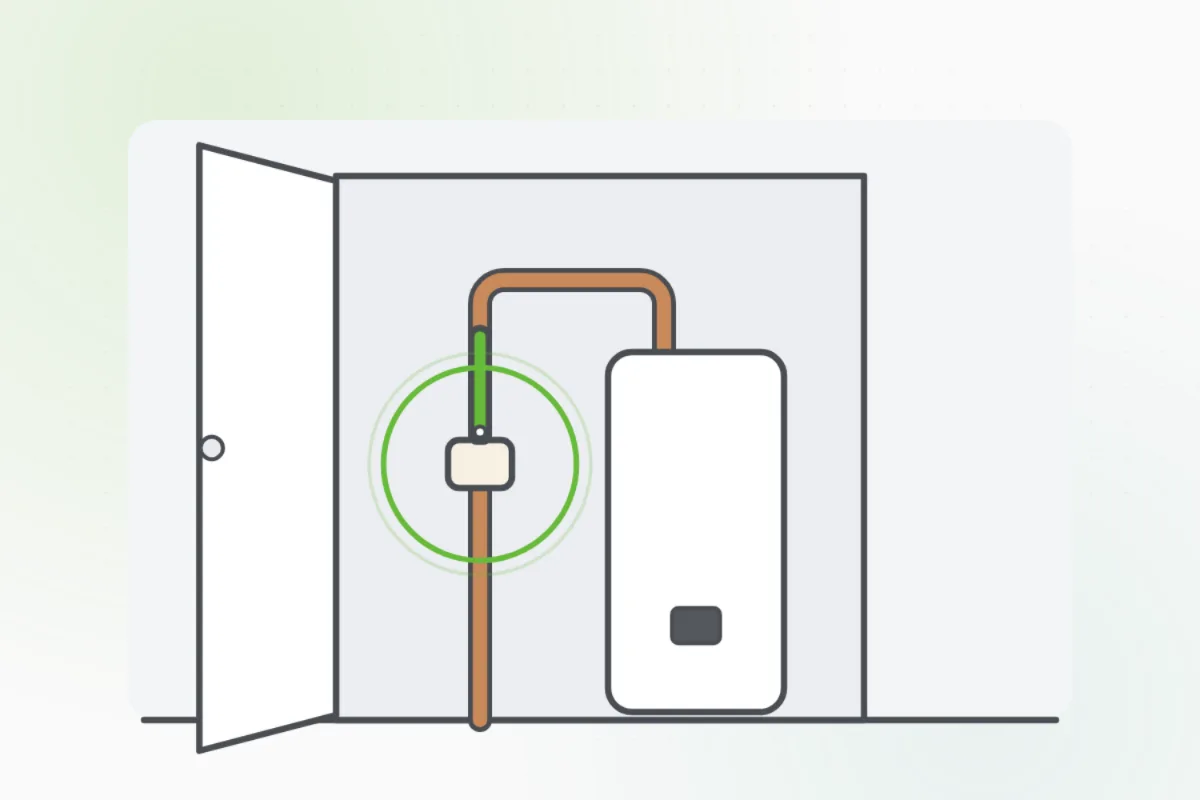
A mixing valve blends hot and cold so the shower holds its temperature, and stops the water turning scalding when someone flushes. One sits behind the shower's handle; some homes have another at the water heater.
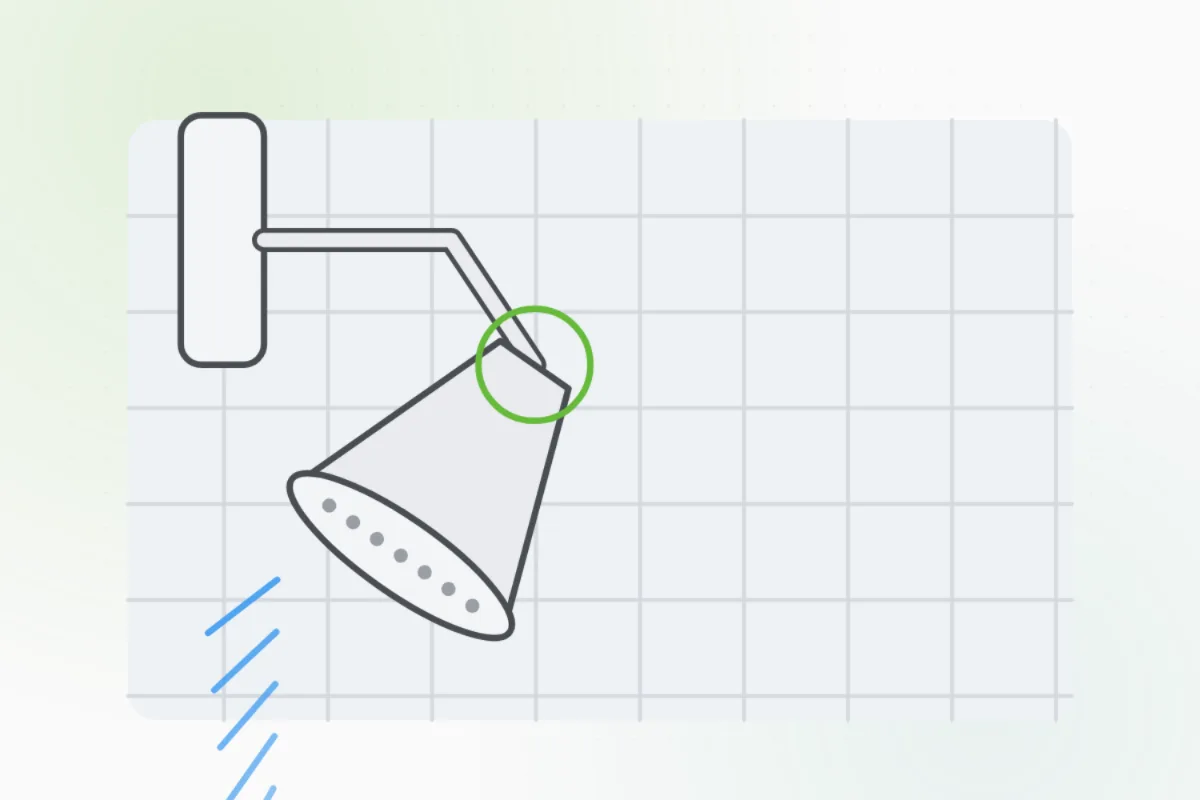
Water that swings hot and cold or won't get hot, or a handle that's stiff to turn: scale is making the valve stick.
Until it's fixed, test the water with your hand before anyone bathes, a child most of all.They turn the water off, take out the valve's cartridge, clean or replace it, and set the hottest temperature it will allow.
Know where your main shutoff is, clear the tub or the shower, and note the faucet's brand if it's marked on the handle or its plate.
Leave the valve's insides to a plumber: one put back wrong can scald. Ask Handyman for a plumber.
What you need
- Clear access to the tub or the shower
- The faucet's brand, if you can see it
Call a pro if
- The water swings hot and cold, or won't get hot
- The handle is stiff, or the shower drips when it's off
- The water feels hotter than it should

Handyman says: Hot-cold swings? I'll find a plumber.
Free for every home. Handyman asks a few questions, then books a pro it trusts.
More water and plumbing guides
See all 83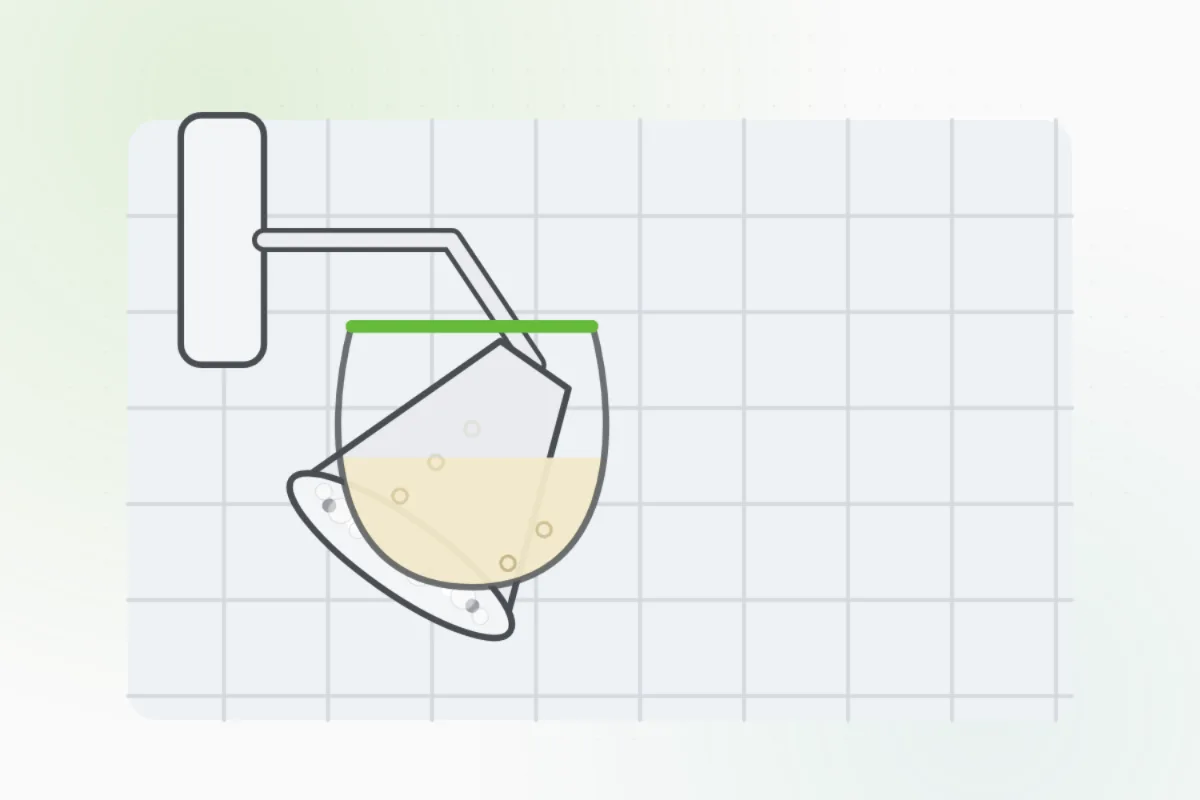
Rather have
a pro do it?