



DIY guideDriveway and walks
Seal the driveway's cracks
Clean out the cracks, fill them so water and frost can't widen them, and seal the surface on a dry, mild day.
- 1 hr to 4 hr
- 8 steps
- Every step animated

8 steps
Tap a step to watch it again.
Pick a stretch with no rain for a day or two, as warm as the filler's label asks. Damp cracks won't hold it.
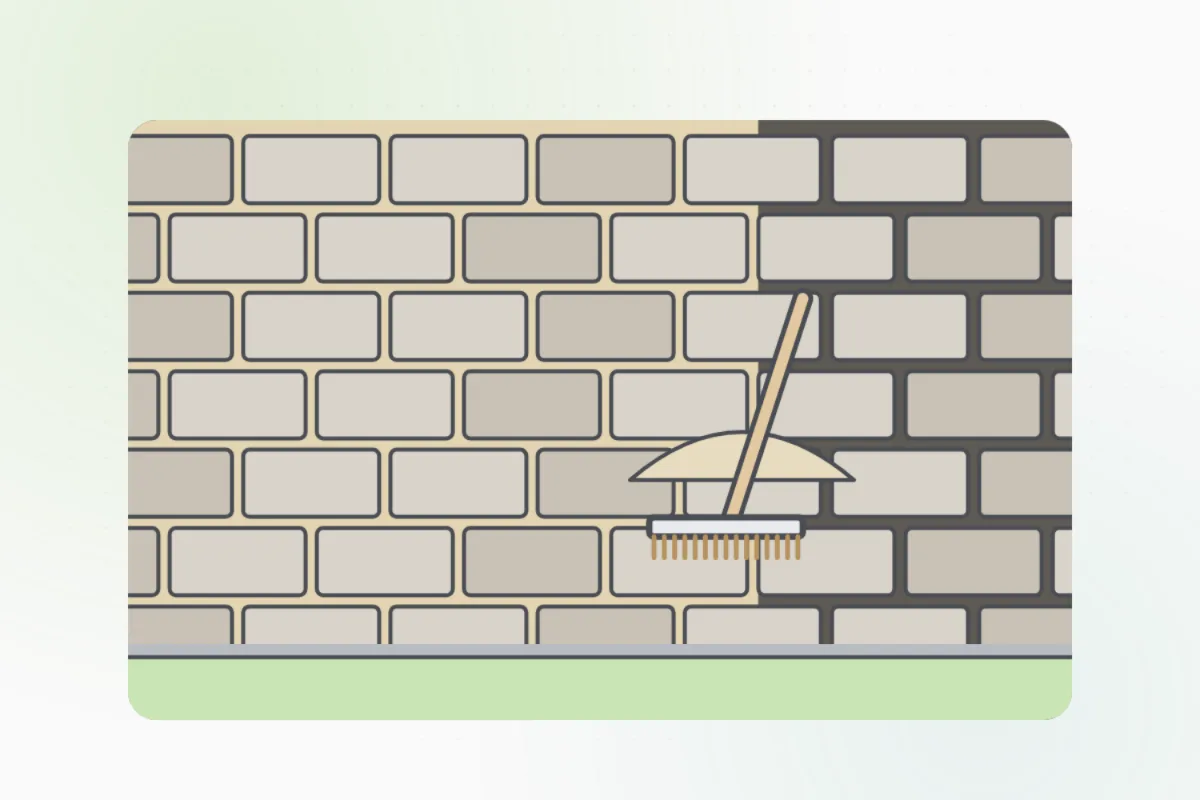
Pull out the weeds, scrape out loose bits with a screwdriver, then sweep or blow out the dust.
Wear gloves, and safety glasses if you blow the dust out.Where a crack is deeper than your fingertip, push in foam backer rod, leaving a little room on top for the filler.
Run crack filler made for your driveway, asphalt or concrete, into each crack until it's just full.
Scrape the filler level with a putty knife, so tires and snow shovels won't catch it.
Keep cars and feet off for as long as the label says.
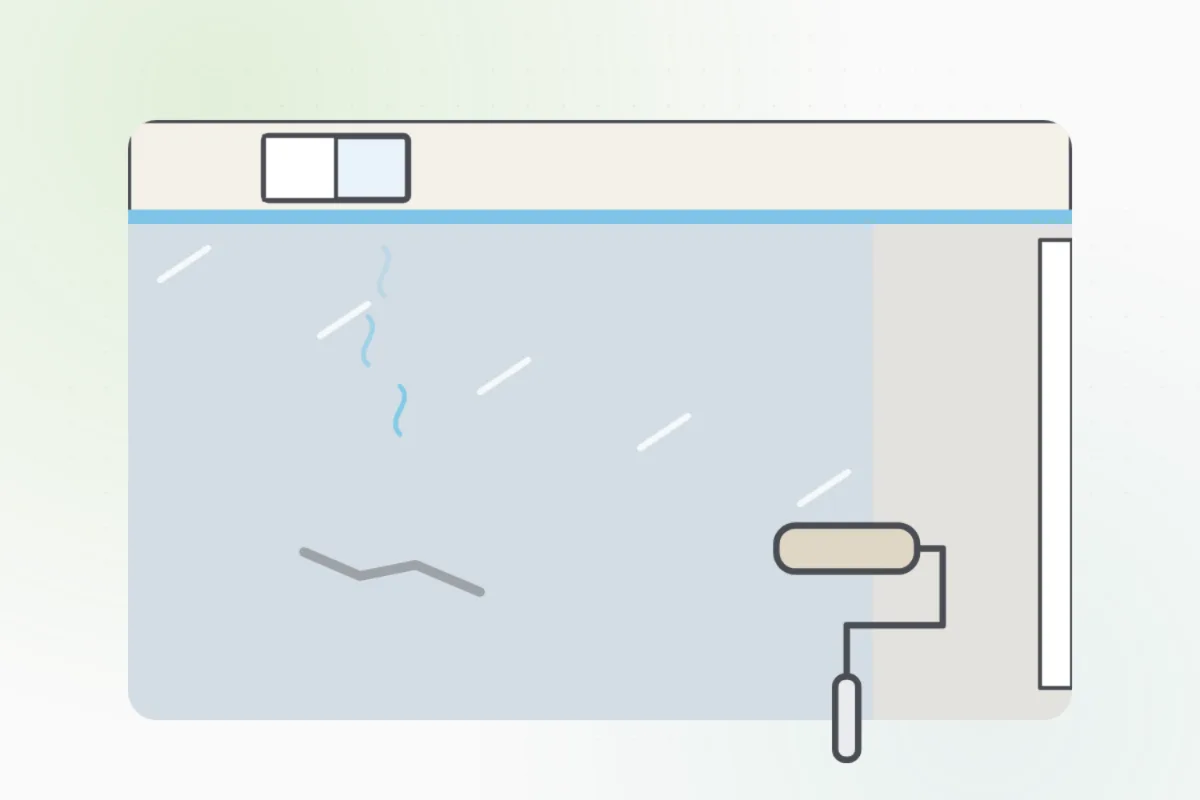
On asphalt, spread driveway sealer in a thin, even coat with a squeegee, one section at a time.
Wear old clothes and gloves, and keep children, pets and cars off until it's dry.Wide cracks, broken or sunken pieces, or a slab that's lifting need a paving pro. Ask Handyman for one.
What you need
- Crack filler for asphalt or concrete
- Foam backer rod, for deep cracks
- A screwdriver and a stiff broom
- A putty knife
- Driveway sealer and a squeegee, if you seal it
- Work gloves
Call a pro if
- Cracks wider than a finger, or crumbling edges
- A slab has sunk, lifted or broken
- Water sits on the driveway or runs toward the house

Handyman says: Lifting or crumbling? I'll find a paving pro.
Free for every home. Handyman asks a few questions, then books a pro it trusts.
More outside and the yard guides
See all 72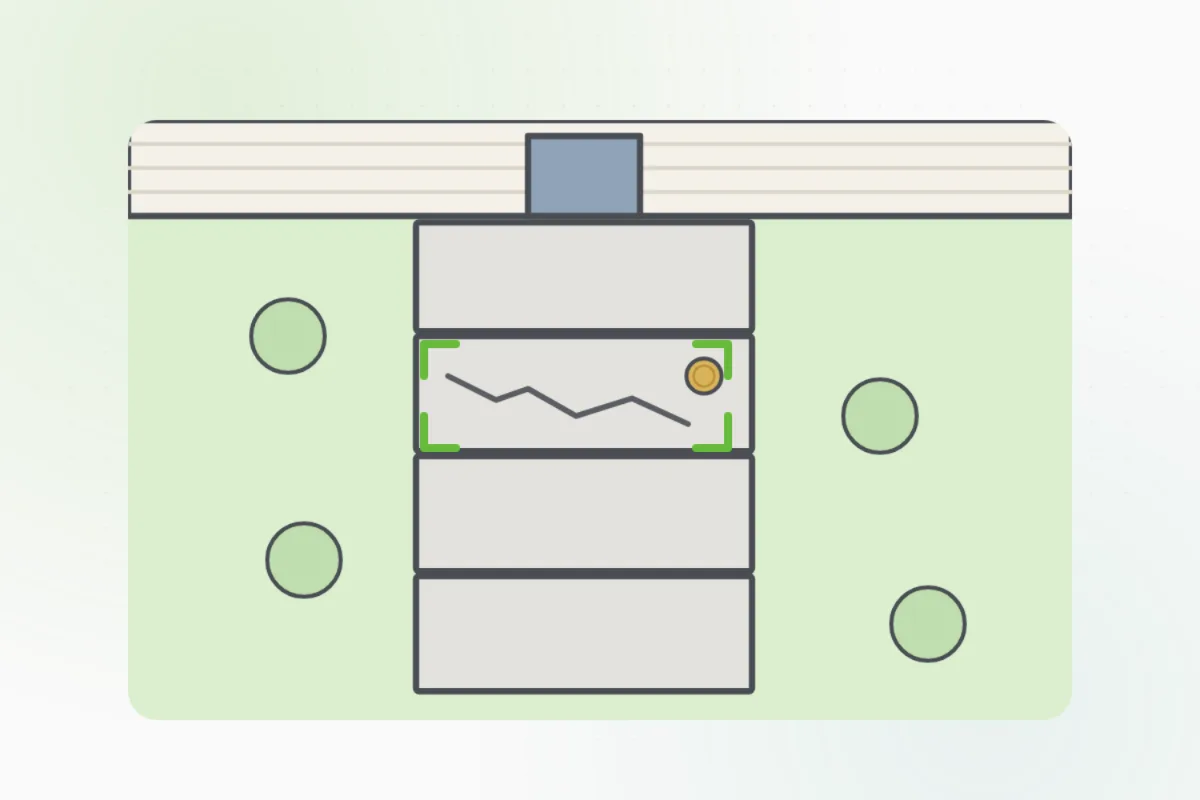
Rather have
a pro do it?