



What’s involvedAsbestos and lead
Recognize materials that may hold asbestos
What older ceilings, pipe wrap, floor tiles and attic fill can look like, why to leave them alone, and what a pro does.
- 5 to 10 min
- 6 parts
- Every step animated
What’s involved
No hands-on steps here: what the job is, what a pro does, and what to have ready.
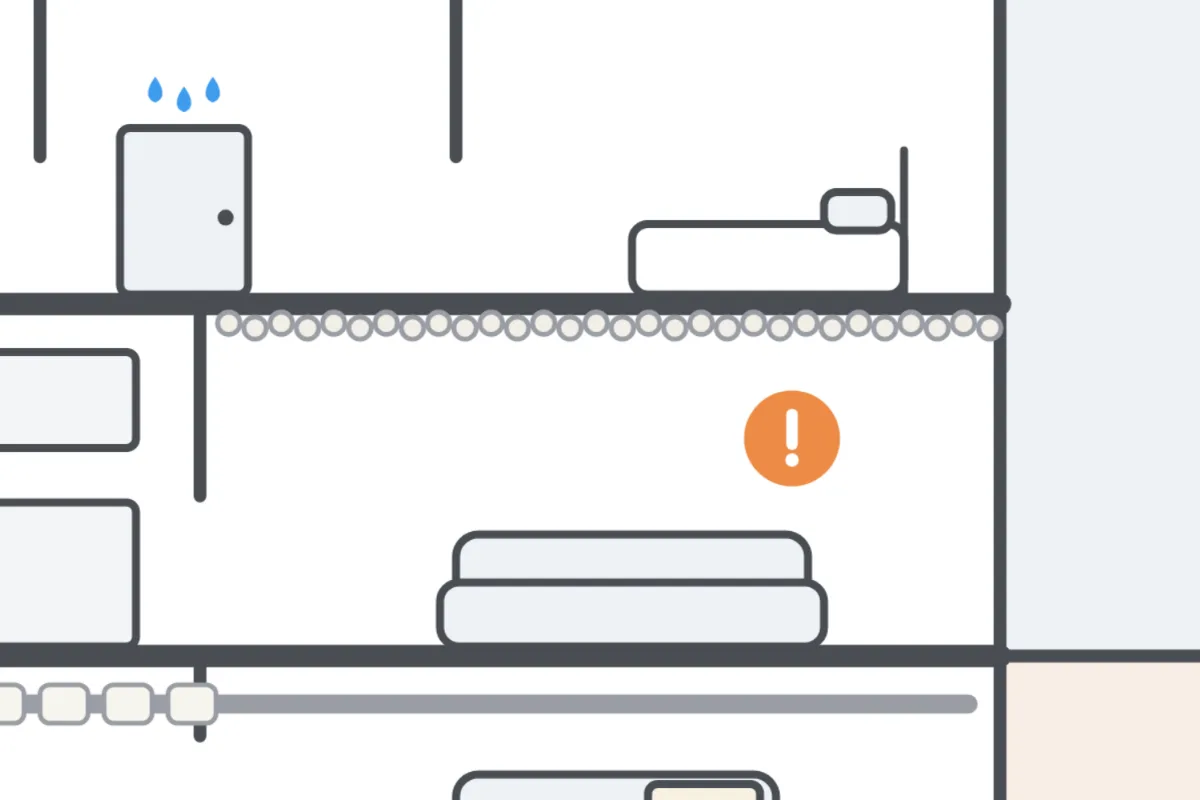
A bumpy, cottage-cheese ceiling in an older home may hold fibres that harm your lungs once they're disturbed. Leave it alone: no scraping, sanding or drilling.
Asbestos is a danger only as dust. Left in place and undisturbed, it can stay.Look for white or grey wrap on old pipes and ducts, and small square floor tiles with black glue under them. Look, don't touch.
Loose, pebbly fill on the attic floor, grey-brown with shiny flecks, needs testing before anyone touches it. Keep out of the attic, and never vacuum or sweep it.
It may be vermiculite, which can hold asbestos.A pro takes a small sample safely and sends it to a lab. If it's positive, a licensed crew seals it in or removes it before any work goes ahead.
Note where you've seen each material, and take photos from a distance so the pro can plan the visit.
Planning work that would disturb any of these? Ask Handyman for an asbestos test first, and a licensed crew if it comes back positive.
What you need
- Photos taken from a distance
- A list of where you've seen each material
Call a pro if
- You're planning work that would disturb a ceiling, pipe wrap, tiles or attic fill
- A material that may hold asbestos is damaged or crumbling
- You've found loose, pebbly fill in the attic

Handyman says: Test it first. I'll find you a tester.
Free for every home. Handyman asks a few questions, then books a pro it trusts.
More power and safety guides
See all 43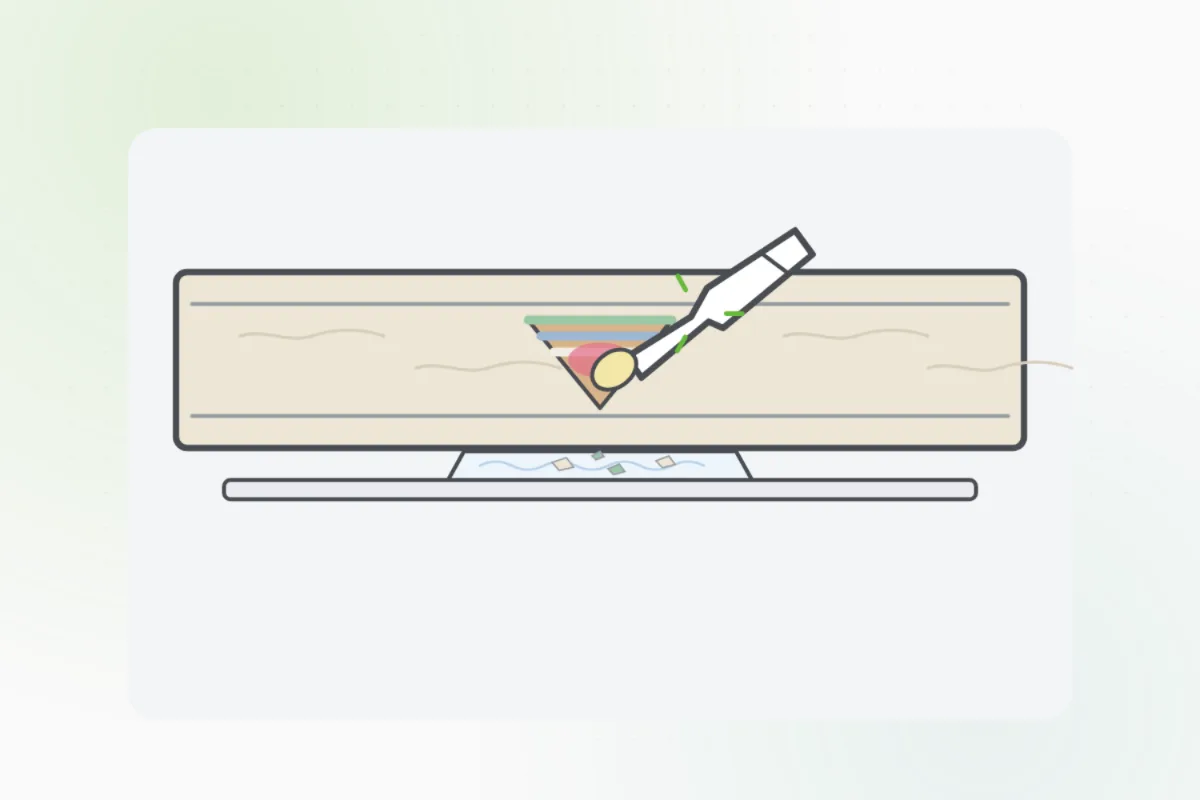


Rather have
a pro do it?