



DIY guideGenerator
Get a portable generator ready
A spot outside far from windows and doors, a CO alarm inside, fresh fuel and oil, and a test run.
- 20 to 40 min
- 6 steps
- Every step animated
6 steps
Tap a step to watch it again.
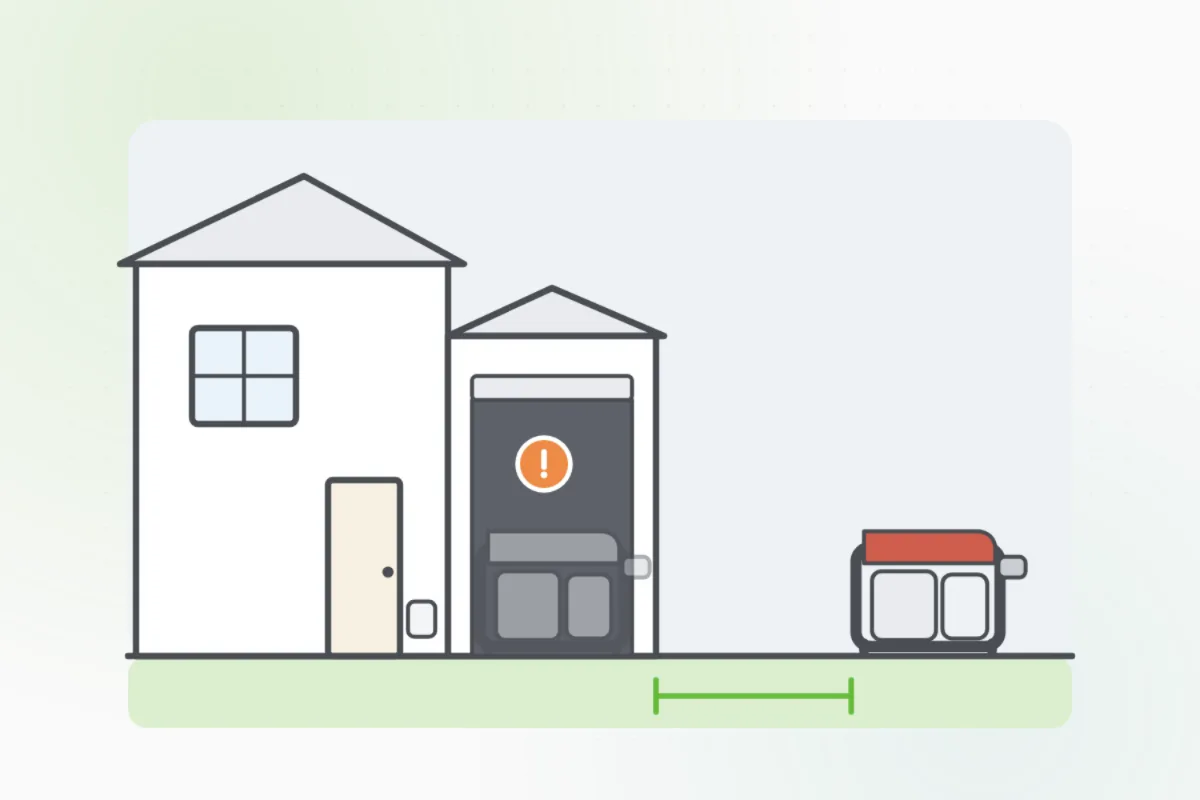
Choose a spot outdoors at least 20 feet (6 m) from the house, with its exhaust pointing away from windows, doors and vents. Never in a garage, even with the door open.
Its exhaust has carbon monoxide, which can kill in minutes indoors.Make sure a working CO alarm is on every floor of the house before you run it.
With the engine off and cool, fill the tank with fresh fuel. Add stabilizer to fuel that will sit.
Never refuel it hot or running: spilled fuel can catch fire.Pull the dipstick, check the oil reaches its mark, and top it up if it's low.
Start it outside, plug a work light into it with a heavy-duty outdoor cord, and let it run for a few minutes.
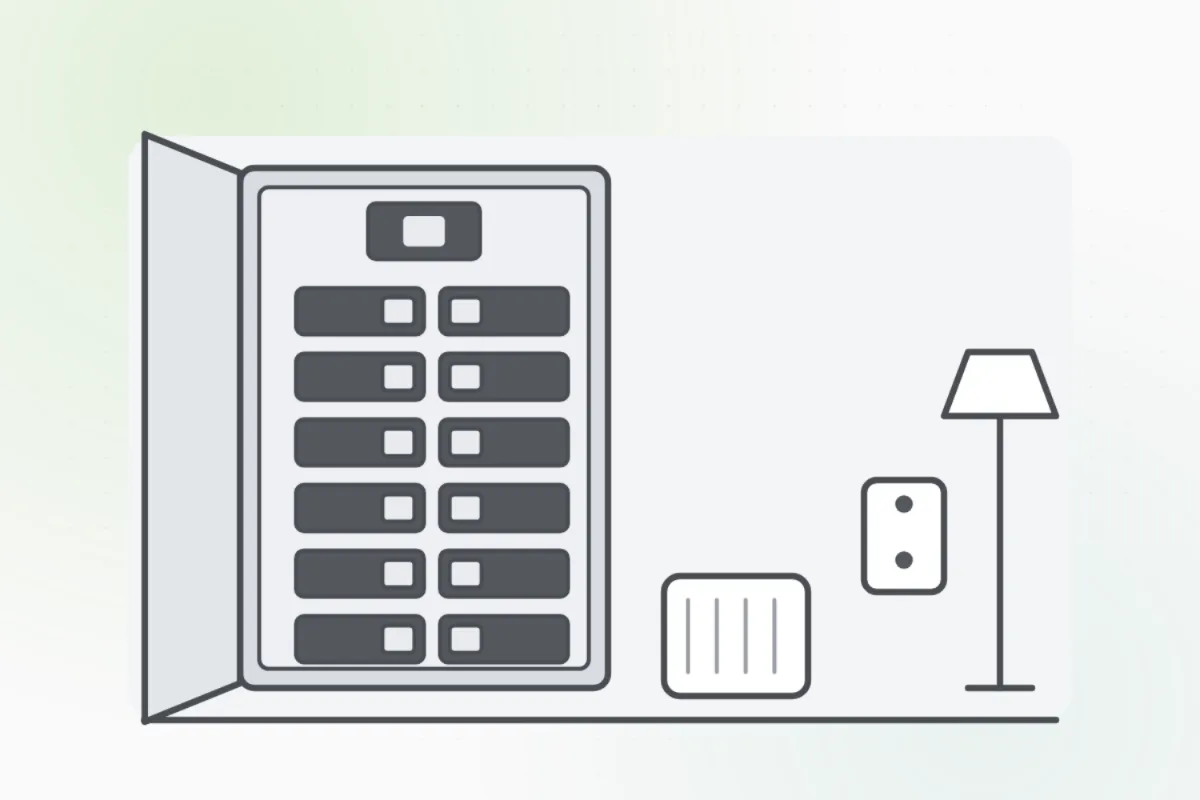
Never plug it into a wall outlet or the panel: it can kill a line worker. Hooking it to the house needs a transfer switch an electrician installs. Ask Handyman.
What you need
- Fresh fuel in an approved can
- Fuel stabilizer
- Engine oil
- A heavy-duty outdoor extension cord
- A battery CO alarm
Call a pro if
- You want it connected to the house: a transfer switch is an electrician's job
- It won't start, or runs rough
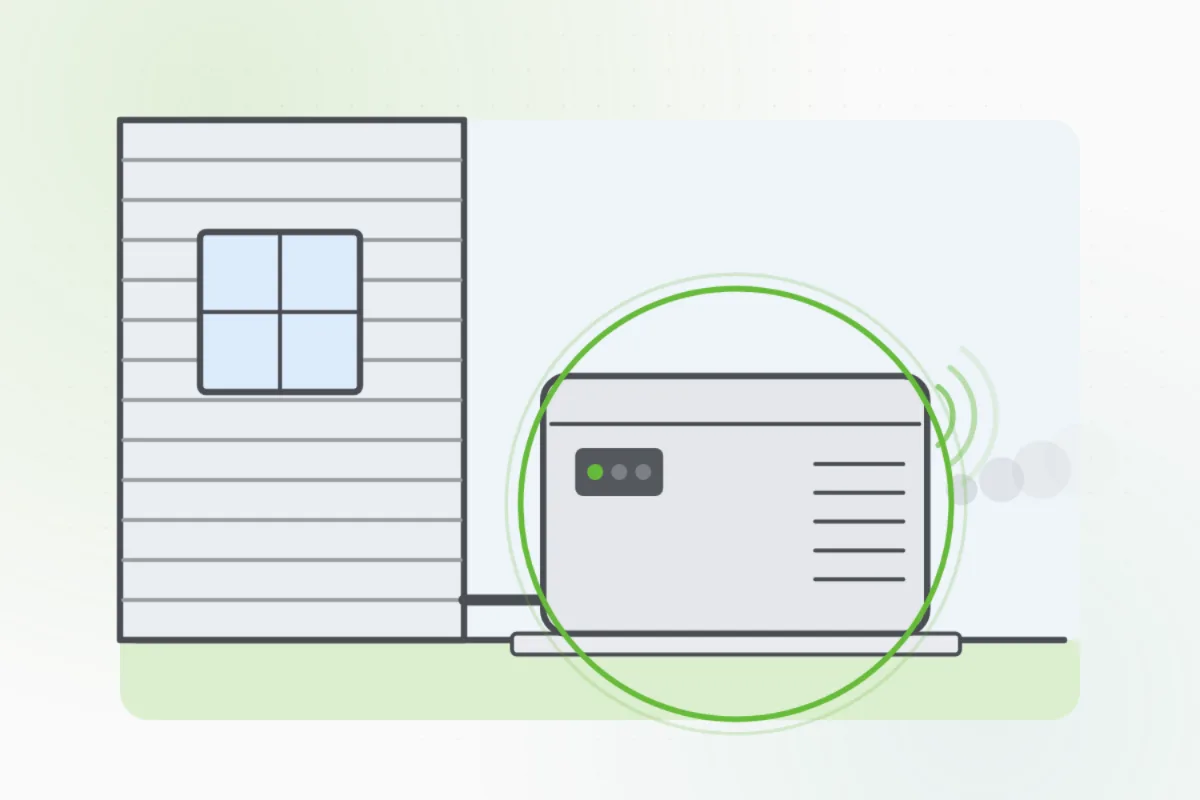
- You'd like a standby generator instead

Handyman says: Never a wall outlet. I'll find a pro.
Free for every home. Handyman asks a few questions, then books a pro it trusts.
More power and safety guides
See all 43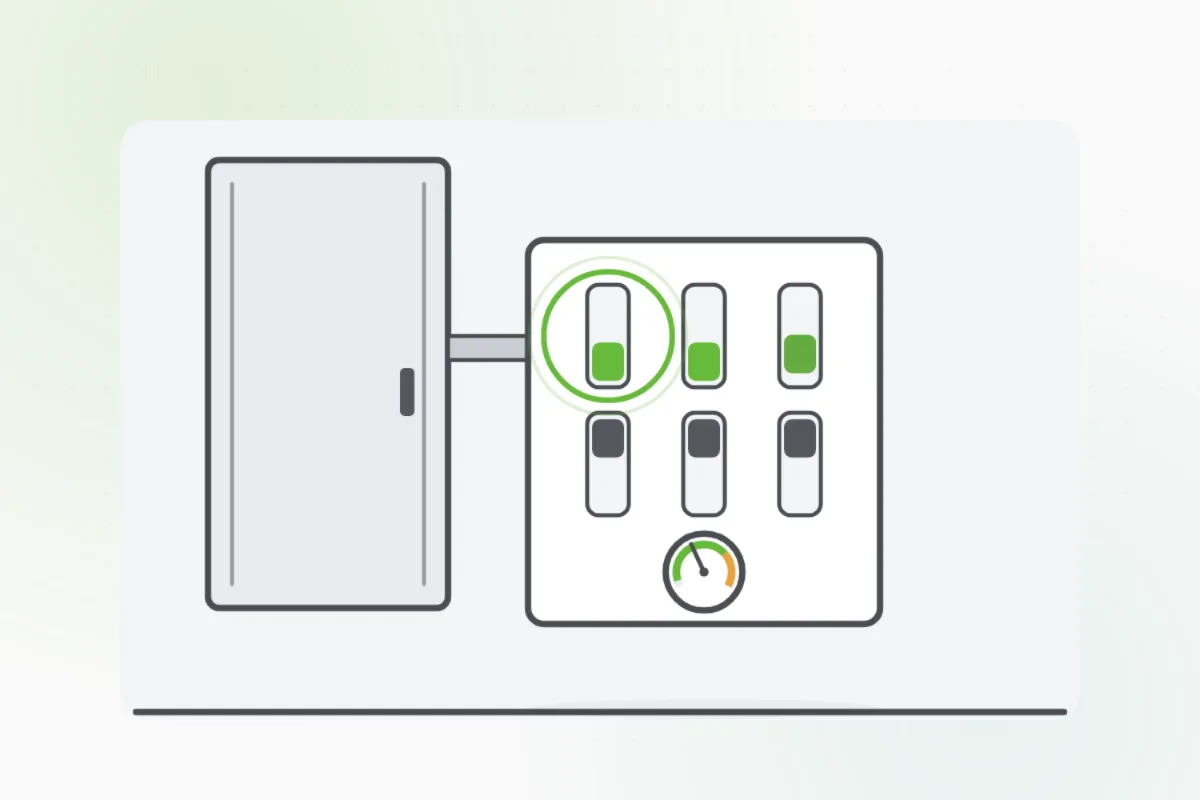

Rather have
a pro do it?