



DIY guideCountertops
Decide what to do about the marble etching
Dull, rough spots are etching from acid; dark spots are stains. Tell them apart, polish out light etching, and know when a stone pro should hone it.
- 15 to 40 min
- 8 steps
- Every step animated
8 steps
Tap a step to watch it again.
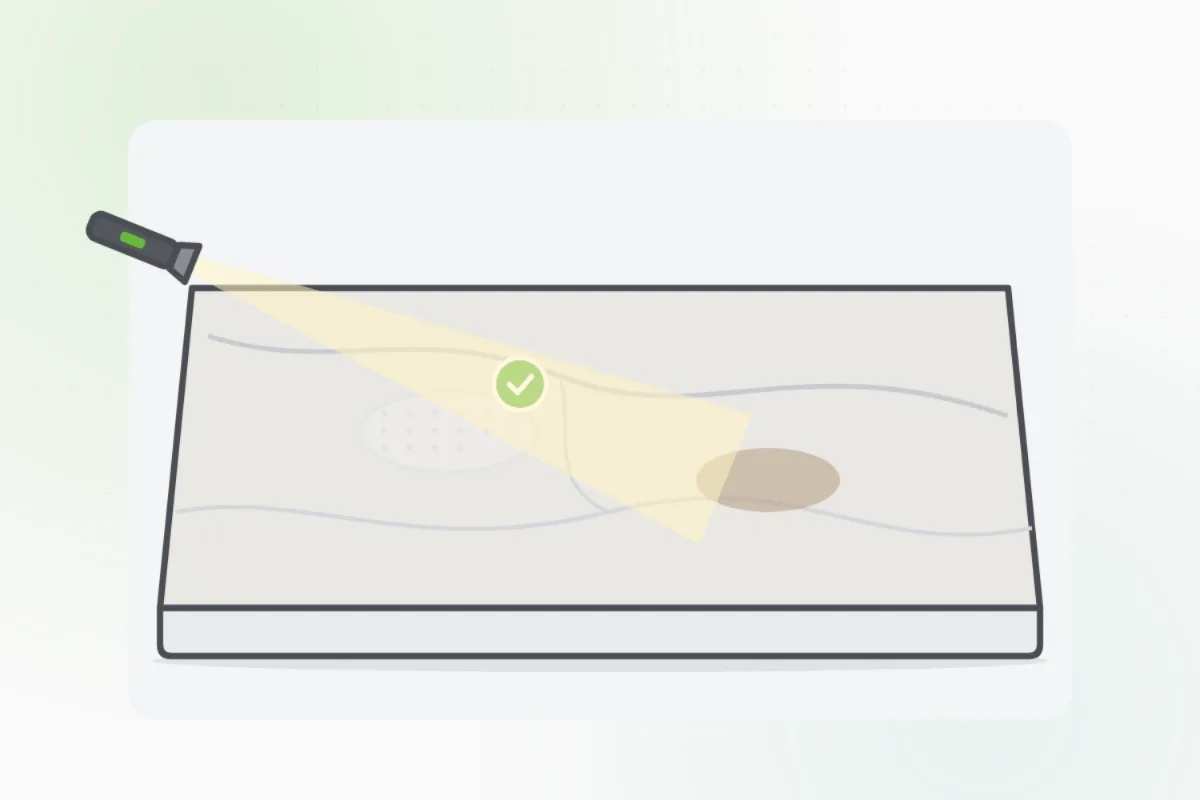
Look across it in low light. A dull, lighter patch that feels rough is etching from acid. A darker patch of colour is a stain.
Wipe the spot with water and a little dish soap, rinse it, and dry it.
Sprinkle marble polishing powder on the damp spot and rub it with a soft, damp cloth in small circles, as its label says.
Wipe it clean and look across it in the light again. Polish once more if it's still a little dull.
Spread a store-bought stone poultice over a dark stain, cover it, and leave it as long as the label says before you wipe it off.
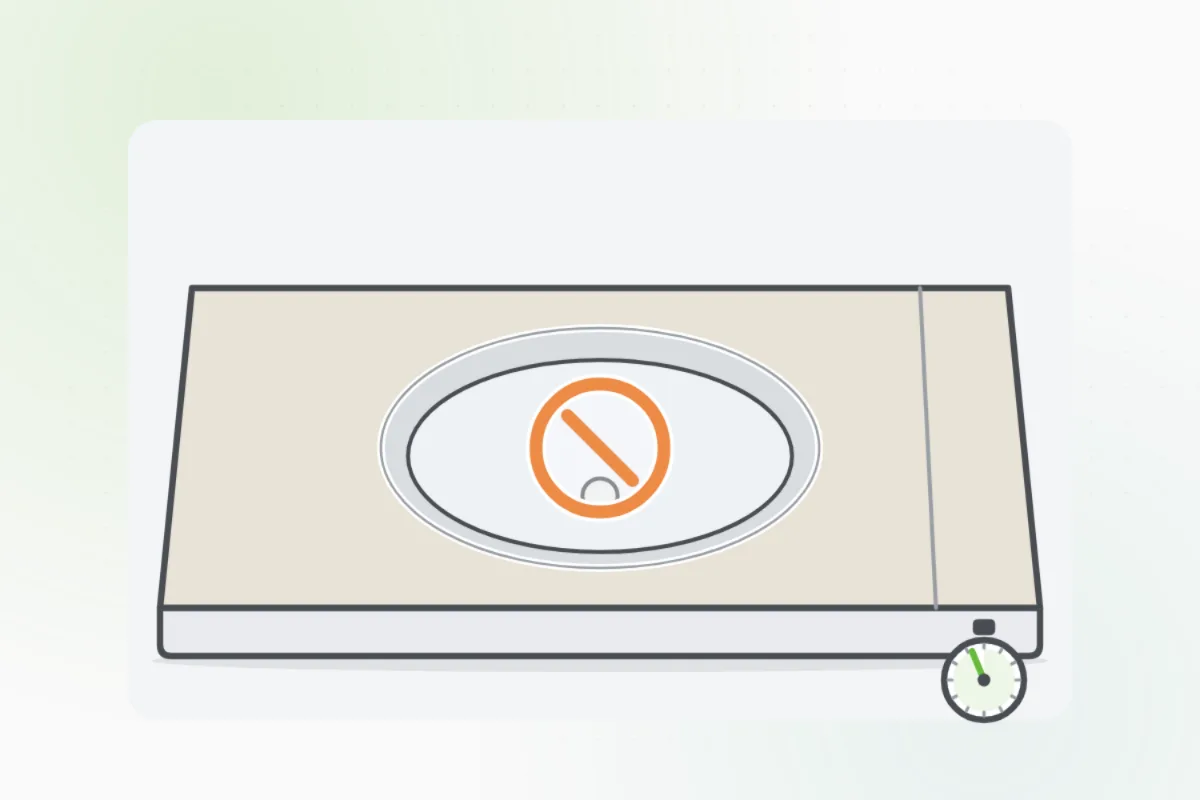
Drip a little water on it and wait a few minutes. If the stone darkens, reseal it with a sealer made for marble.
Wipe up lemon, vinegar, wine and cleaners straight away, and use coasters and cutting boards.
Etching you can catch a fingernail on, a whole counter gone dull, or a crack: ask Handyman for a stone pro to hone and polish it.
What you need
- Marble polishing powder
- A stone poultice (for stains)
- A sealer made for marble
- Soft cloths
Call a pro if
- The etching catches a fingernail
- The whole counter has gone dull
- The stone is cracked

Handyman says: Deep etching? I'll find a stone pro.
Free for every home. Handyman asks a few questions, then books a pro it trusts.
More around the house guides
See all 70

Rather have
a pro do it?